They Covered the Surgery. Denied the Recovery. His claim got denied.
A 9-month-old baby. Under anesthesia. They wanted sent home the same day.
Takes 10 seconds. No spam.
If you believe no child should be denied medically necessary care, take 10 seconds to stand with us.
The Short Version
What happened:
My 9-month-old son underwent cleft palate reconstruction under anesthesia
Our doctor required overnight monitoring
Insurance denied it
Appeal denied twice
This is happening to families right now.
Insurance calls it cosmetic
Doctors call it necessary
Parents are stuck in the middle
If this can happen to us, it can happen to anyone.
This Isn't Cosmetic. This Is Medical.
Supporting families through advocacy, stories, and action.
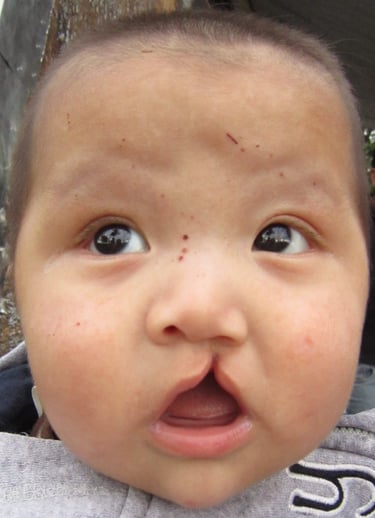
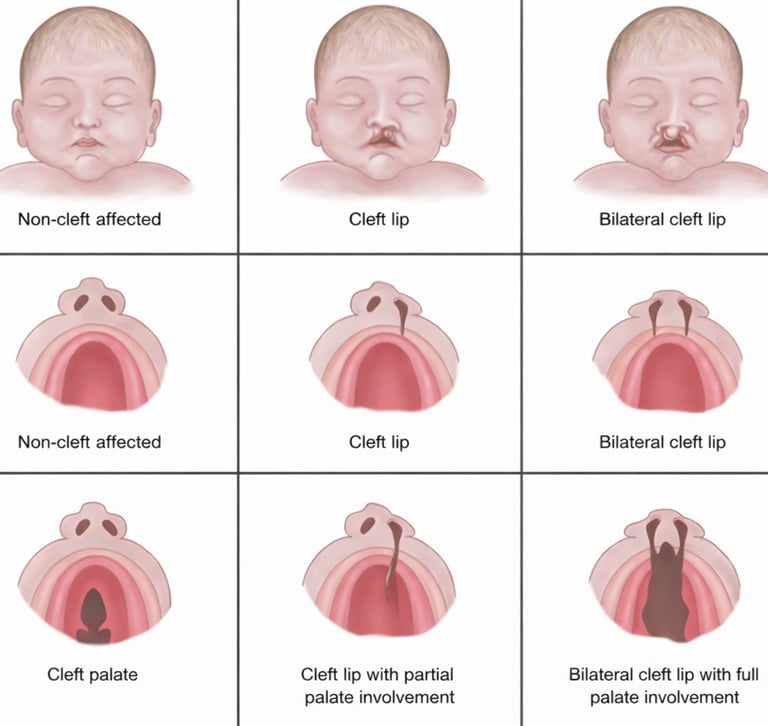
What is a cleft palate?
A cleft palate is a congenital condition where the roof of the mouth doesn't fully form during pregnancy. It affects a child's ability to eat, speak, hear, and breathe. It is not cosmetic. It is a medical condition that requires surgical intervention.
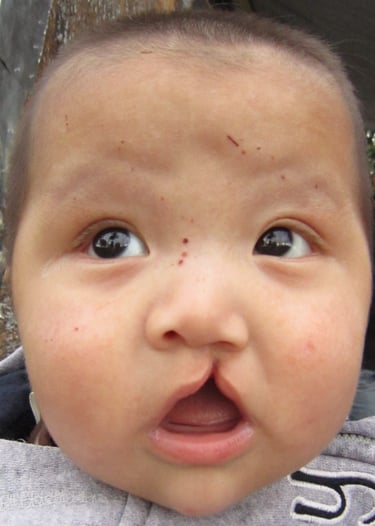
Why is surgery necessary?
Without surgery, children with cleft palate cannot eat properly, develop speech, or avoid chronic ear infections. The surgery reconstructs the palate so the child can function normally. This is not elective. This is essential.
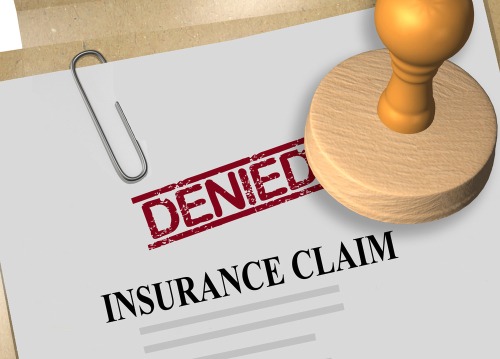
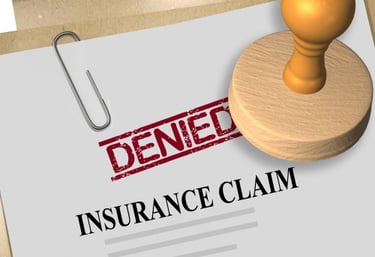
Insurance companies often approve the surgery itself but deny post-operative care, overnight monitoring, or follow-up treatments. They claim these are "not medically necessary" despite surgeon recommendations and medical standards.
What do insurance companies deny?
If this isn't medically necessary, what is?
Meet the Champion Fighting for Change
NY State Senator Sam Sutton is introducing Ray's Law
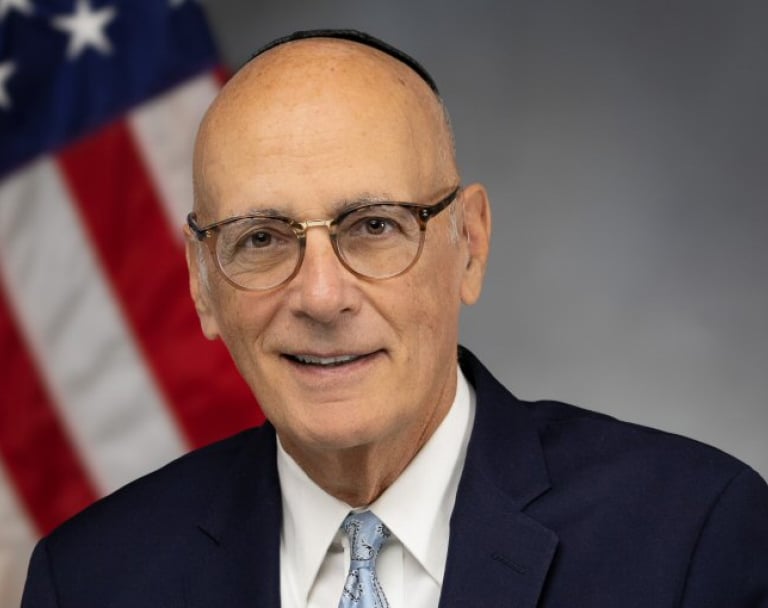
Senator Sam Sutton has stepped up to introduce legislation that would protect families like ours. He understands that when a doctor says a child needs care, insurance companies should not have the final say.
His bill ensures that medical necessity decisions made by physicians cannot be overridden by insurance denials.
This Bill is already in motion. Now it needs your support.
Takes 10 seconds. No spam.
What Ray’s Law Will Do
This bill fixes a broken system that allows insurance companies to deny medically necessary care for children born with congenital abnormalities.
Not just cleft.
Any condition a child is born with that affects how their body functions.
Here’s what changes:
This is not cosmetic. This is medical.
Ray’s Law makes it clear that congenital conditions are medical conditions. If a child cannot eat, speak, breathe, or function normally, that is not optional care. That is necessary care.
Doctors decide. Not insurance companies.
If a licensed medical professional determines that treatment or recovery is necessary, insurance companies should not be able to override that decision by calling it “not medically necessary.”
Coverage includes the full process. Not just the surgery.
Right now, insurance companies often approve the procedure but deny everything around it. This bill ensures coverage for:
Hospital stays and recovery
Post-operative monitoring
Follow-up procedures
Dental, orthodontic, and prosthetic care
Ongoing treatment needed for proper development
Even if it improves appearance, it still counts.
Insurance companies hide behind the word “cosmetic.” This bill closes that loophole. If treatment is part of correcting a congenital condition, it is covered.
Applies to all congenital abnormalities.
This is bigger than cleft care. This protects any child born with a condition that affects normal body structure or function.
No more drawn-out battles.
Families can challenge denials quickly, without being dragged through endless appeals while their child needs care.
The Long Version
I’ve always had a deep interest in politics.
Since I was a kid, I followed the news closely. By seventh grade, I had the New York Times politics section bookmarked on my BlackBerry. I paid attention early. I cared early. For a long time, I thought I would go to law school and eventually pursue a career in politics.
Life took me in a different direction.
I built a business. I became an operator. But that political instinct never left me. So I found another way to contribute. I got involved with the Sephardic Community Federation, working on advocacy efforts to make sure our community had a voice with elected officials.
And it worked.
For the first time in nearly one hundred years of our community being in this country, we helped elect one of our own to public office. Senator Sam Sutton.
That experience showed me something important. Real change is possible when people organize, speak clearly, and push in the right direction.
But I never imagined I would be applying that to something this personal.
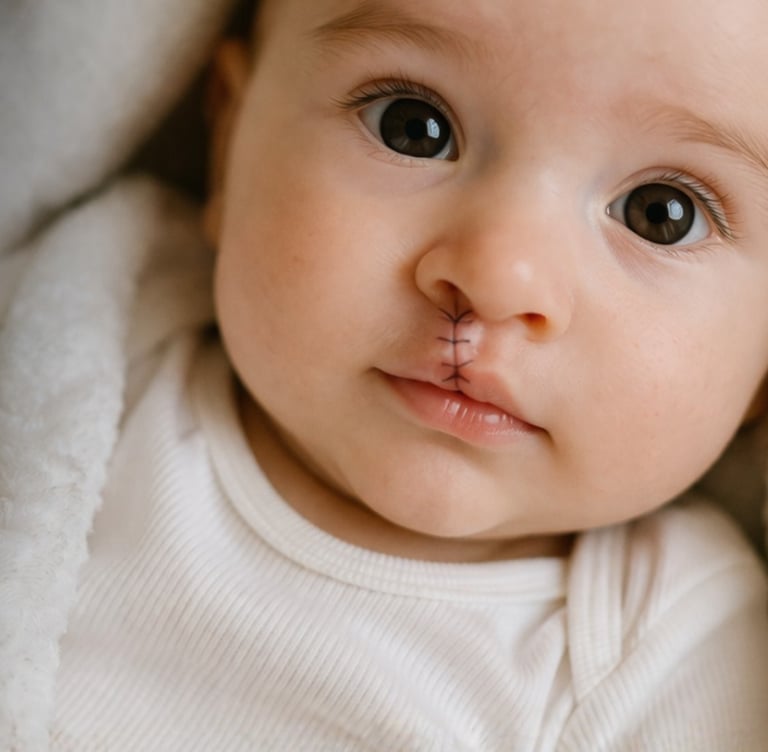
At our 20-week sonogram, what should have been a routine appointment turned into over an hour of anxiety. Doctors walked in and out. Something was wrong. Eventually, we were told our son Ray had a bilateral cleft lip and likely a cleft palate.
We didn’t know what that meant at first. We had to learn quickly.
This wasn’t cosmetic. This affects how a child eats, breathes, speaks, and develops. It requires real medical care, multiple procedures, and long-term attention.
We chose to give him the best care possible.
His lip repair went well. And when he was nine months old, he underwent palate repair. This is a complex reconstructive surgery where the roof of the mouth is rebuilt so a child can function normally.
Our surgeon recommended an overnight hospital stay. This is standard protocol. A baby who just had the roof of his mouth reconstructed under general anesthesia needs to be monitored for bleeding, airway complications, and pain.
Our insurance company denied it.
They said it wasn’t medically necessary.
They said a nine-month-old baby, after major reconstructive surgery under anesthesia, should've gone home the same day.
We appealed. Our surgeon appealed. We submitted documentation, medical justification, everything they asked for.
They denied it ... twice.
This should not be up for debate.
When a medical professional determines what is necessary for a child’s recovery, that decision should not be overridden by an insurance company.
But because our appeal has now been denied twice, we are faced with a choice.
Accept this broken system.
Or do something about it.
This is where everything comes together.
The experience I’ve had in advocacy. The reality we’ve lived as parents. The stories we are now hearing from other families.
We now have an opportunity to enact something that would make a real difference.
Not just for our son.
But for every child born with a cleft condition.
That’s why we’re pushing for Ray’s Law: The Right to Recovery Act.
Because no child should be denied medically necessary care.
And no parent should have to fight this battle alone.